Portable Refrigerator Battery
Solution Specifications
Nominal Voltage:12V
Chemistry: Lithium Iron Phosphate
Nominal Capacity: 20Ah
Maximum charge current:10A
Maximum Discharge Current:20A
Operating Temperature: -10~60℃
Power System Solution
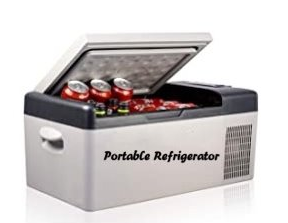
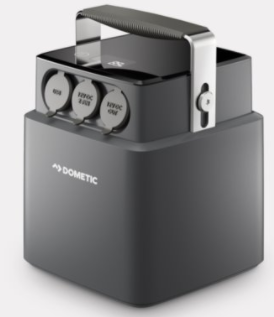
A portable refrigerator is an amazing invention that can make your journey enjoyable. The lithium iron phosphate battery delivers high levels of mobile power. The power is supplied by integrated lithium iron phosphate (LiFePO4) battery cells. Engineered for use in extremely outdoor environments, its rugged design will keep your gear charged and ready even on the extremely expeditions.
Designed for powering powered coolers and other 12 V appliances while being off-grid. Its light weight and compact design, you can enjoy true independence and travel off-grid for longer. However, powering a portable refrigerator can be a challenging as it works based on temporary power sources. To help you solve out this problem, Pro-Tech has worked hard to provide an excellent lithium iron phosphate battery solution for your portable refrigerator: This lithium battery made for portable refrigerators utilizes high quality. LiFePO4 battery cells with advantages like compact sizes, light weight, a long cycle life and environment-friendliness. Compared with ordinary refrigerator batteries on the market, Pro-Tech’s lithium batteries offer a higher energy density, a longer operation time, no memory effects and better safety performance and stability.
Solution Features
High energy density
Energy density refers to the electricity released by average unit volume or average unit weight of the battery. Generally, lithium-ion battery, with the same size of Ni-Cd and Ni-MH battery, may own 1.8~2.5 times more energy density. More electric power can be outputted by lithium battery to supply longer running time for portable refrigerator in outdoor trips.
Low energy self-consumption
Normal Ni-MH and Ni-Cd rechargeable batteries suffer from a very high self-discharge rate. This means that the battery will run down in weeks or months even when it’s just sitting there in the package or a switched-off device. Thus, lithium batteries with low self-discharge rate become a better option for electricity -consumed applications. With lower energy consumption of the internal circuit, more power can be supplied to the devices being used.